
Human crematorExample · U-101
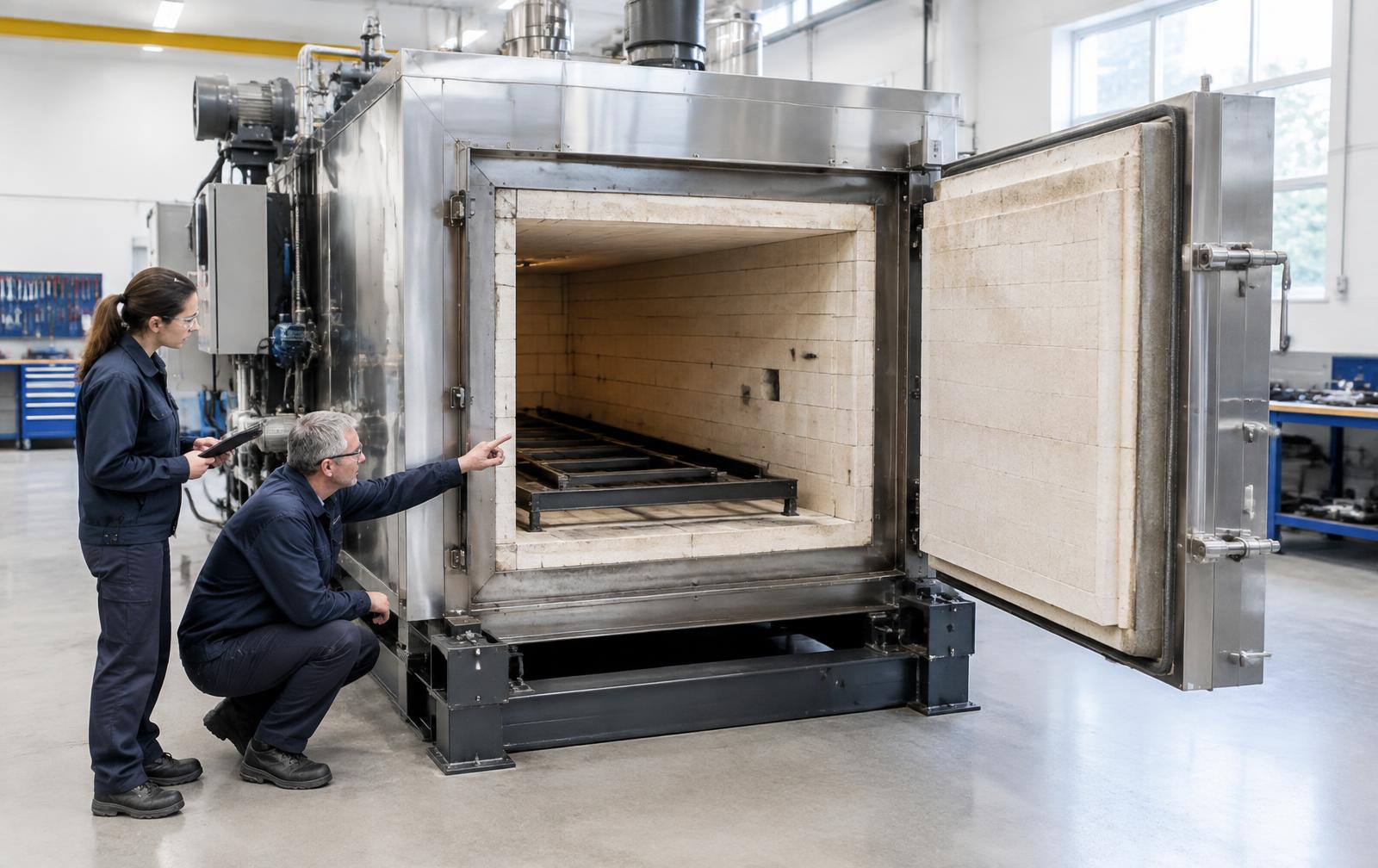
Gas human cremator with filtration
- Year
- c. 2012
- Region
- Western Europe
- Condition
- Decommissioned, refractory to be relined
Example listing — illustrative of a typical replacement-cycle unit.
Used equipment market
Looking for a faster or lower-cost option, or replacing a line that still has life in it? Tell us what you need or what you have — we match buyers, sellers and refurbishment specialists.
These are example listings that illustrate the types of equipment traded. Live availability is shared privately after you send a request.
Example listing — illustrative of a typical replacement-cycle unit.
Example listing — inspection and transport to be arranged by buyer.
Example listing — confirm electrical supply compatibility.
Example listing — permits must be re-evaluated for a new site.
Example listing — refurbishment quotes recommended.
Example listing — dimensions must match the receiving cremator.
A pre-owned cremator can shorten lead times and reduce initial capital expenditure, but the real value depends on the condition of the refractory, the control system, and whether the unit can be permitted at its new location. Refractory relining alone can represent a significant share of the cost of a new machine, so ask for the date of the last reline and the number of cremations performed since.
Equipment that met the permit conditions at one site does not automatically meet them elsewhere. Emission limits, stack height and noise requirements are site-specific and can change over time. Always involve your permitting authority early.
Crematoria replacing lines often have working cremulators, chargers or pet units that still have useful life. Listing them lets buyers in other markets, or start-ups with smaller budgets, give the equipment a second life. We match sellers with interested buyers and manufacturers that offer refurbishment, without publishing your contact details.
Be transparent about condition and history, and note any hazardous materials such as older insulation that require specialist removal. Buyers usually expect a site visit or video inspection before committing.
Several manufacturers refurbish their own equipment, sometimes with warranty. A refurbished unit with a new refractory lining and updated controls can be a sound choice for lower-volume sites. For high-volume operation, or where energy efficiency and emissions performance drive the business case, new equipment usually offers better life-cycle value. Use our cost calculator to model both options and request quotes for each.