

United Kingdom / Netherlands
Facultatieve Technologies
Kremationsöfen für Verstorbene
Pet & animal cremators
Cremulators / processors
Filtration & abatement
Energie: Natural gas, LPG
Independent insight. Global perspective.
An independent place to explore technologies, compare manufacturers and plan your next investment. For the professionals who care for others.
AI-generated illustrative facility · not a manufacturer photograph
Start here · 2 minutes
What are you planning?
Free for buyers · No obligation
How it works
The service is completely free for buyers. No obligation — you decide whether to proceed.
2 minutes
Technology, volume, country and timeline in one short form.
Within 2 working days
Only suppliers active in your market and technology.
On your timeline
Use our comparison and tender builder to evaluate offers.
Explore by technology
AI-generated illustrative imagery; not photographs of specific products or facilities.
Inside the process
From the cremator and its controls to flue gas filtration — a calm overview of the equipment that a crematorium relies on every day.
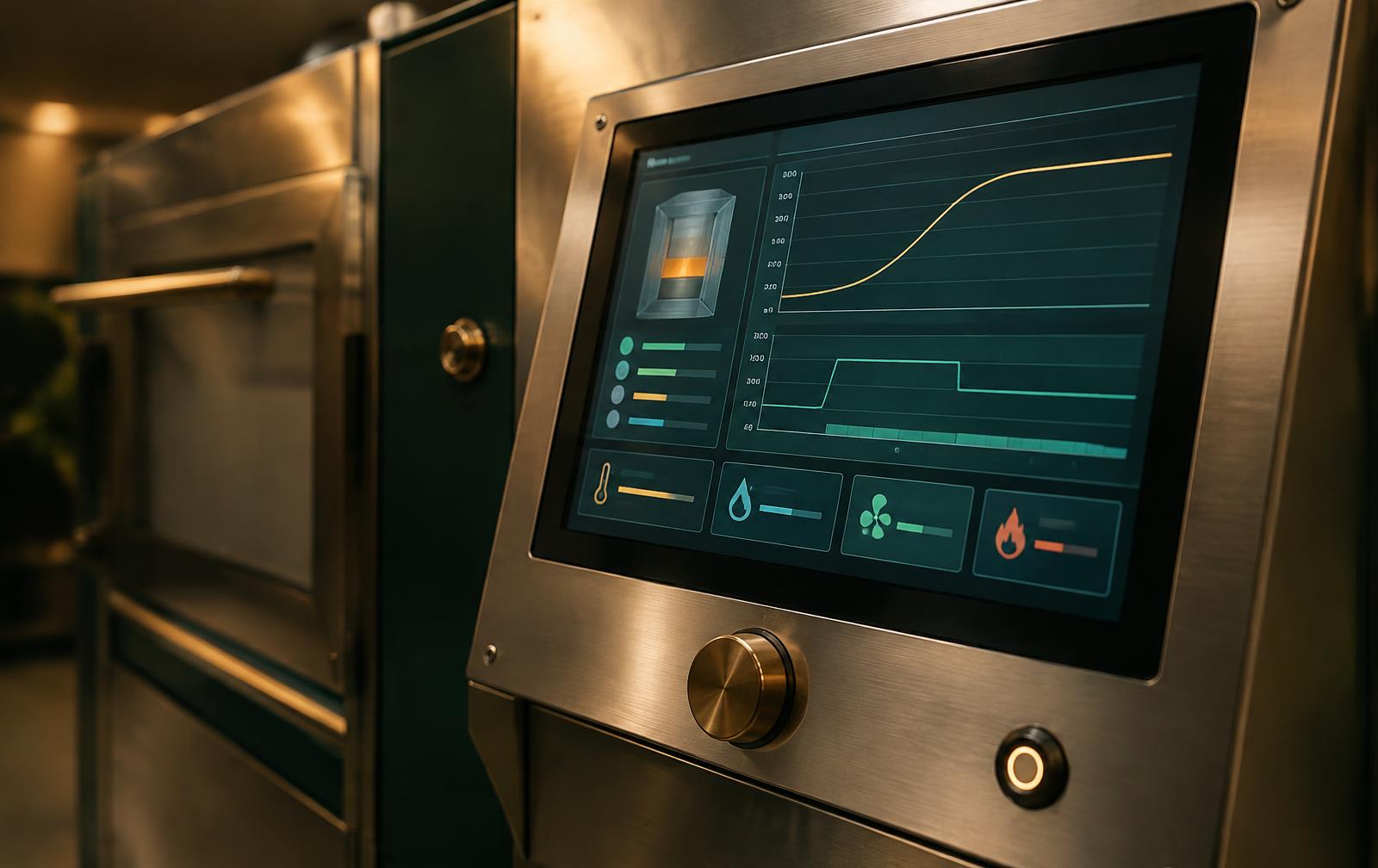
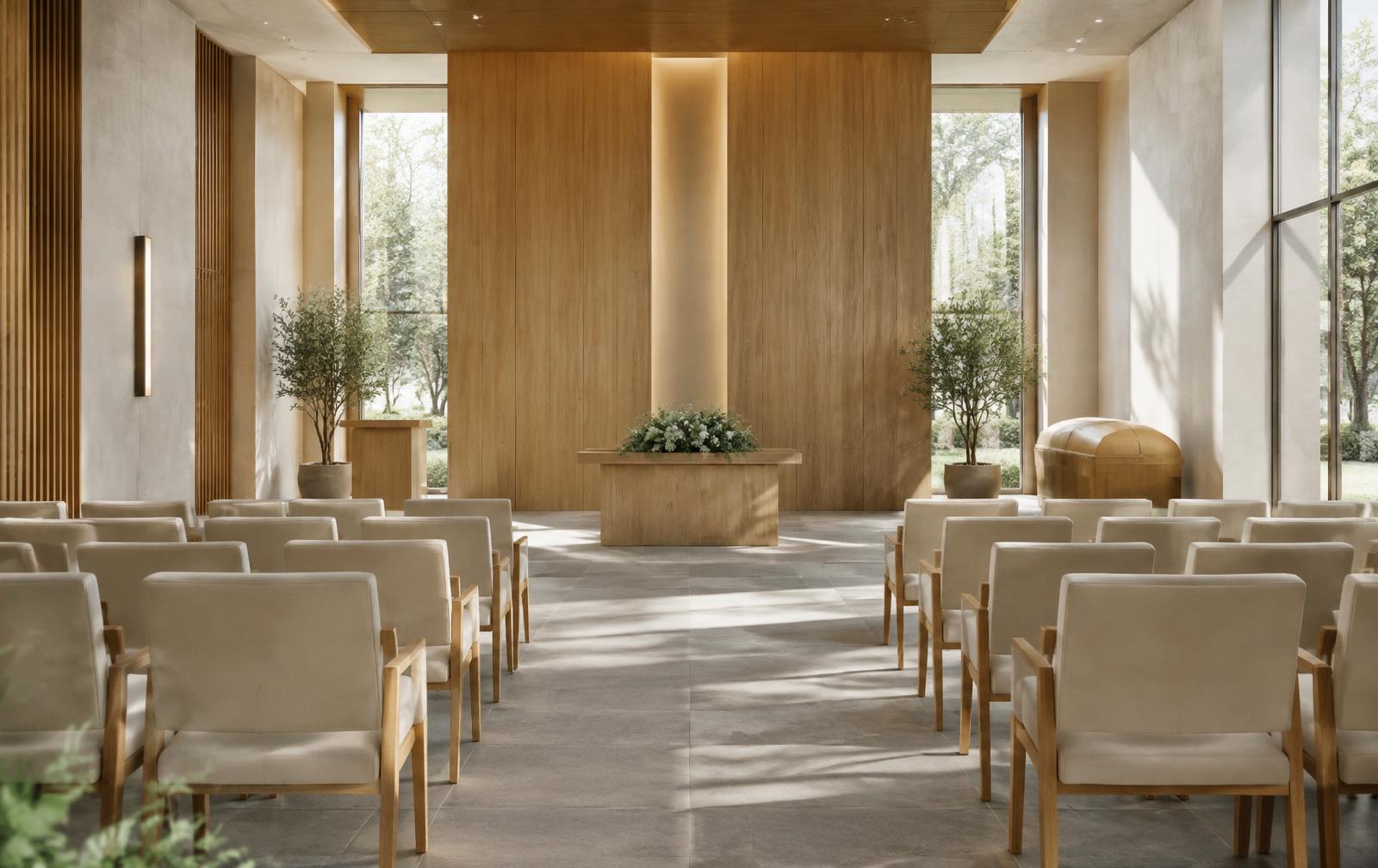

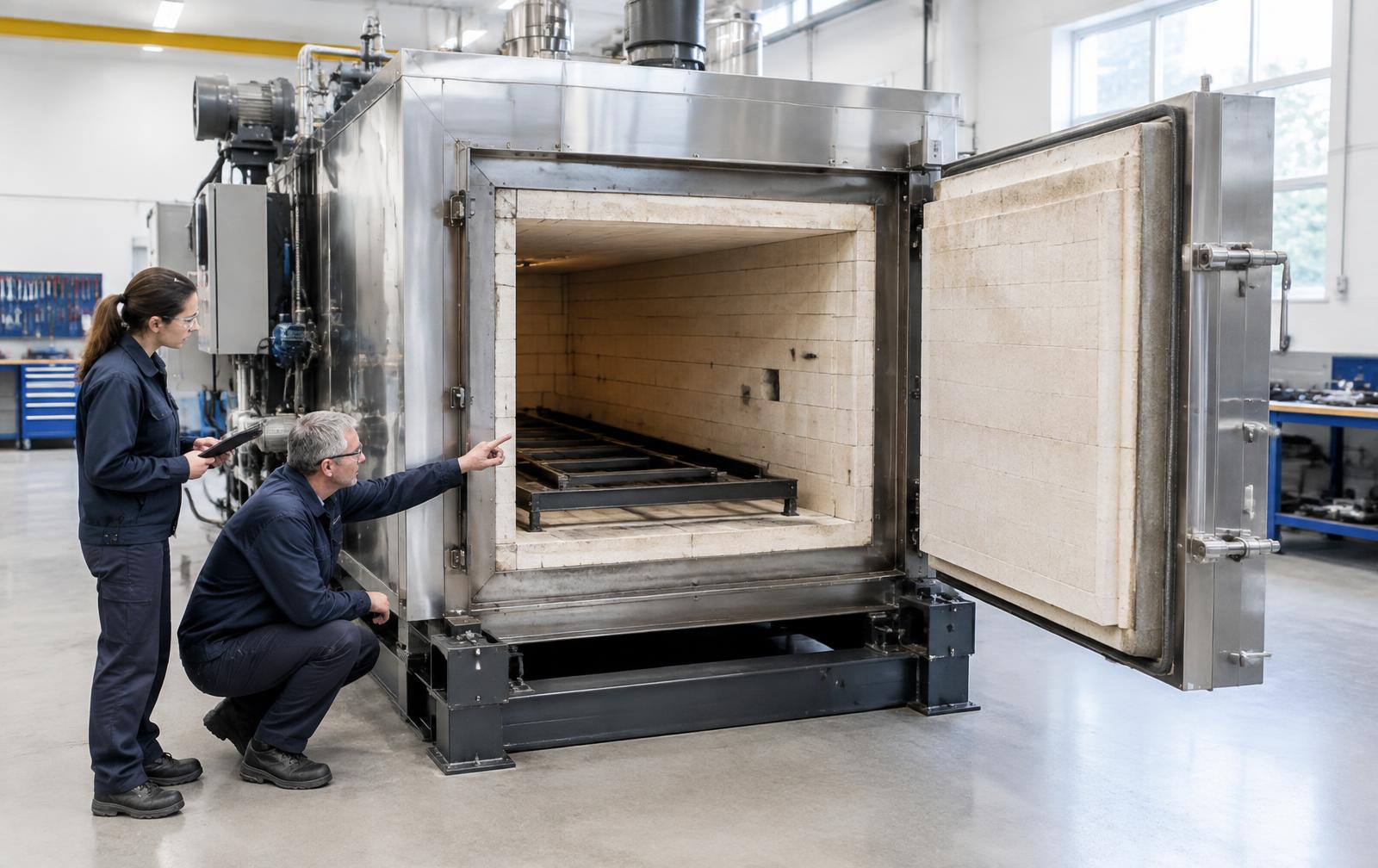
Die Bilder dienen der Veranschaulichung und zeigen keine Produkte bestimmter Hersteller.
Tools & insight
Your next investment
The global directory
United Kingdom / Netherlands
Energie: Natural gas, LPG
United States
Energie: Natural gas, Propane
Netherlands
Energie: Natural gas, LPG, Electric
United Kingdom
Energie: Diesel, Natural gas, LPG
United Kingdom
Energie: Elektrisch
United States
Energie: Electric, Steam / gas-heated (model-dependent)
Flame cremators
Facultatieve Technologies vs. Matthews Environmental Solutions
Two global turnkey cremation-line suppliers
VergleichenWasserkremation
Resomation Ltd vs. Bio-Response Solutions
Alkaline hydrolysis specialists
VergleichenHaustierkremation
Inciner8 vs. Addfield
Animal cremator manufacturers
VergleichenBuying a cremator is one of the largest and longest-lasting investments a funeral business or municipality will ever make. A well-maintained cremation line can run for twenty years or more, and the decision you take today will shape your energy bills, your emissions compliance, your staff workload and the experience of the families you serve for decades. Yet the market is fragmented across dozens of manufacturers on every continent, each with its own terminology, its own brochure claims and its own sales process.
Cremation Equipment exists to make that decision easier. We bring together every manufacturer of human cremators, pet and animal cremators, water cremation systems (also called resomation, aquamation or alkaline hydrolysis), cremulators, flue gas filtration and ancillary equipment we can identify worldwide. We describe what each company makes, where it operates and what type of buyer it typically serves, and we explain the technology in plain language so that you can ask better questions before you request a quotation.
We do not sell equipment, and listings are not paid placements. Our goal is that a funeral director in Ohio, a municipal crematorium manager in Germany, a pet aftercare entrepreneur in Australia and a funeral group procurement team in Japan can all arrive at a well-informed shortlist faster.
The cremation equipment market serves very different buyers, and each has different priorities. We have structured the site around the questions they ask most often.
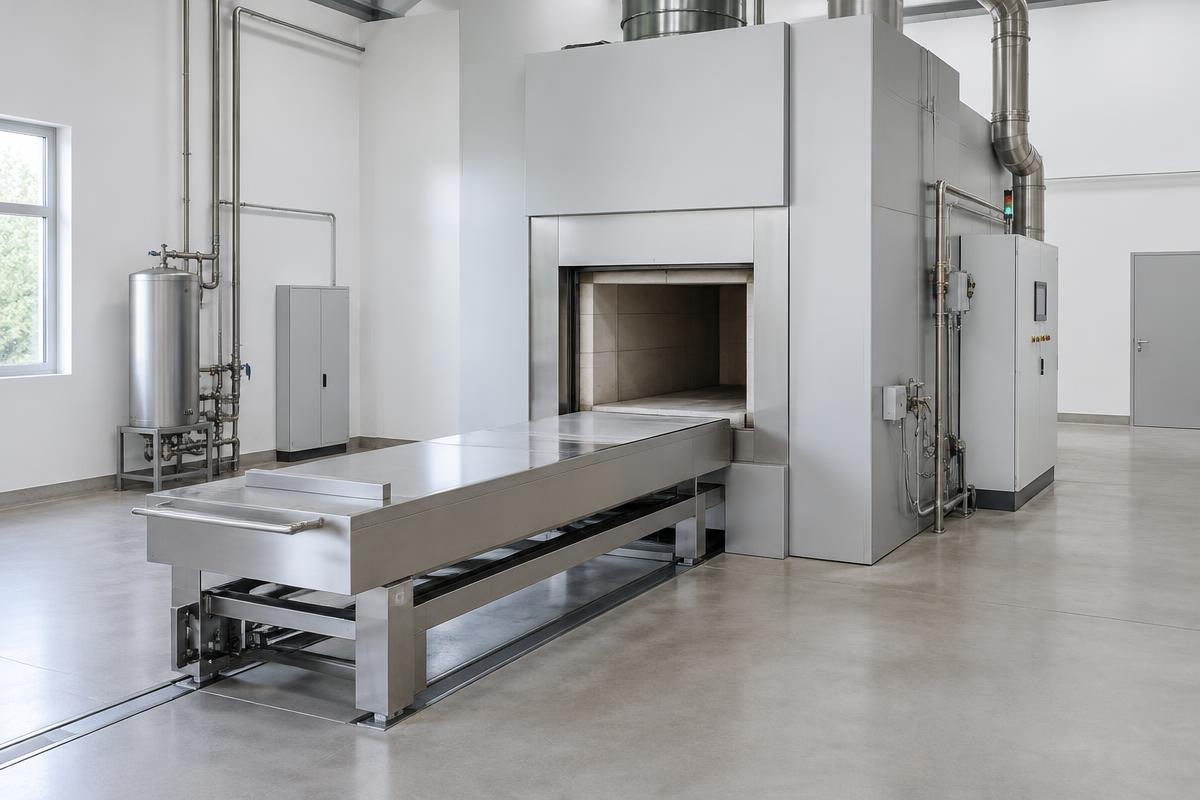
Traditional flame cremation uses a refractory-lined chamber, the retort, heated by gas, oil or electricity to temperatures typically between 750 and 1,000 °C. A primary chamber reduces the body while a secondary chamber, or afterburner, ensures complete combustion of gases before they pass to cooling and filtration. Modern cremators are controlled by PLC systems that regulate air, burners and temperature to minimise smoke, fuel use and emissions.
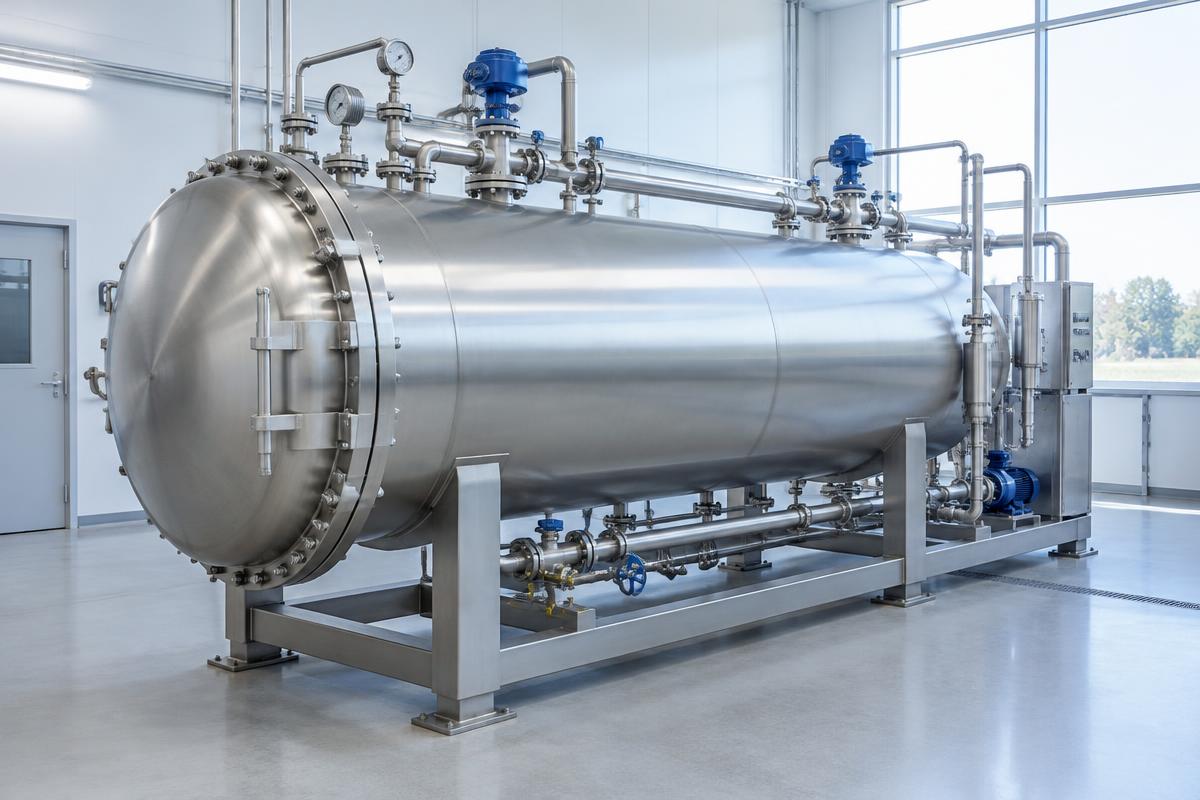
Water cremation, known technically as alkaline hydrolysis and commercially as resomation or aquamation, uses a pressurised stainless-steel vessel containing water and an alkali such as potassium hydroxide. Heat and gentle circulation accelerate the natural process of decomposition, leaving bone fragments that are processed into ash and a sterile liquid. It uses considerably less direct energy and produces no combustion emissions at the site, but it is only legal in certain jurisdictions, so regulatory checks come first.
Pet cremation uses the same principles at different scales. Pet crematories offer communal, partitioned and individual cremations, and capacity ranges from small units for a veterinary practice to large hearths for equine cremation. Water cremation for pets is legal in more places than human water cremation and is growing quickly.
Most buyers follow the same path, whatever their size. We suggest moving through the site in this order:
Price matters, but the purchase price is usually a fraction of the total cost of ownership. When comparing manufacturers, look at fuel or electricity consumption per cremation, expected refractory life and relining cost, the availability of local service engineers, spare part lead times, the control system and its remote diagnostics, and whether the supplier will guarantee emission values in writing.
Throughput is another critical factor. A single cremator in continuous daytime operation typically handles a handful of cremations per day, depending on body mass, cooling time and the heat-up cycle. Consider future volumes, bariatric capacity and whether a second unit or hot-hearth design would serve you better over twenty years. Finally, think about the family experience: viewing rooms, witness charging and a calm, dignified cremation hall are increasingly expected.
Crematoria in Europe, North America and much of Asia face increasingly strict limits on mercury, dioxins and furans, particulate matter, carbon monoxide and nitrogen oxides. Mercury from dental amalgam has driven widespread adoption of activated carbon dosing and fabric filters. Many regions now also look closely at carbon footprint, which has accelerated interest in electric cremators running on renewable power, heat recovery into buildings or district heating, and water cremation.
Our pages explain these requirements in general terms and flag the questions you should ask suppliers. Regulations vary by country, state and municipality, so always confirm the rules that apply to your site with your permitting authority and an independent consultant where needed.
Cremation is a global profession. Our directory includes manufacturers from the United Kingdom, the Netherlands, Germany, Sweden, Italy, Spain, the United States, Australia and beyond, and we keep adding companies from Asia, Latin America and Eastern Europe. The site is published in English with introductions in German, Dutch, French, Spanish, Italian, Portuguese, Polish, Swedish, Danish, Norwegian, Russian, Chinese, Japanese and Korean.
If you are a manufacturer and your company is missing or your information is out of date, we welcome corrections. Accuracy and independence are the reason this site exists.